Embark on the exciting journey of building model airplanes with this comprehensive guide on how to build a model airplane and the best kits for beginners. From choosing the right kit to mastering building techniques, this article covers everything you need to know to kickstart your model airplane hobby.
Introduction to Model Airplane Kits
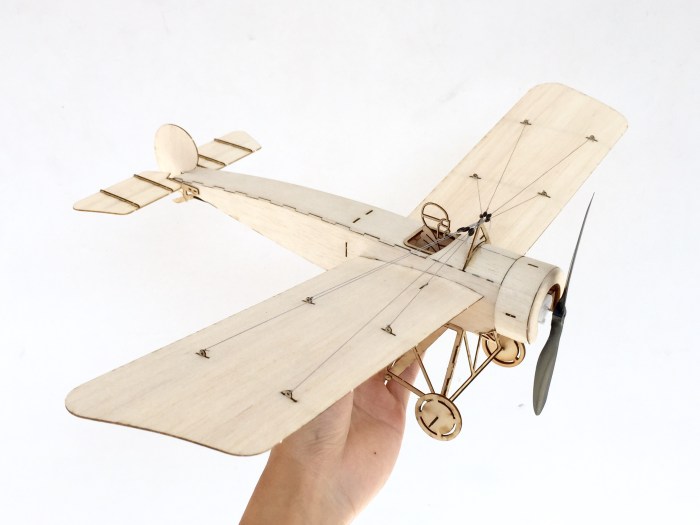
Building model airplanes holds a unique appeal for hobbyists and enthusiasts alike. It combines the joy of working with your hands, the satisfaction of creating something from scratch, and the thrill of seeing your creation take flight. Model airplane kits provide an excellent entry point for beginners looking to explore this exciting hobby.
The Benefits of Using Model Airplane Kits for Beginners
Model airplane kits come with all the necessary components and instructions, making it easier for beginners to get started without the need for extensive prior knowledge or experience. These kits often include pre-cut parts, detailed assembly guides, and sometimes even tools, allowing newcomers to learn the basics of model building in a structured and accessible way.
Different Types of Model Airplane Kits Available in the Market
There are various types of model airplane kits available in the market, catering to different skill levels and interests. Some kits focus on specific historical aircraft models, while others offer more generalized designs for beginners to practice their building skills. From simple snap-together kits to more complex ones requiring glue and paint, there is a wide range of options to choose from based on individual preferences.
Popular Model Airplane Kit Brands for Beginners
– Revell: Known for its wide selection of model airplane kits suitable for beginners, Revell offers detailed instructions and high-quality components.
– Tamiya: Renowned for its attention to detail and precision engineering, Tamiya model airplane kits are favored by many hobbyists.
– Airfix: With a long history in the modeling industry, Airfix produces beginner-friendly model airplane kits with a focus on accuracy and authenticity.
Choosing the Right Model Airplane Kit
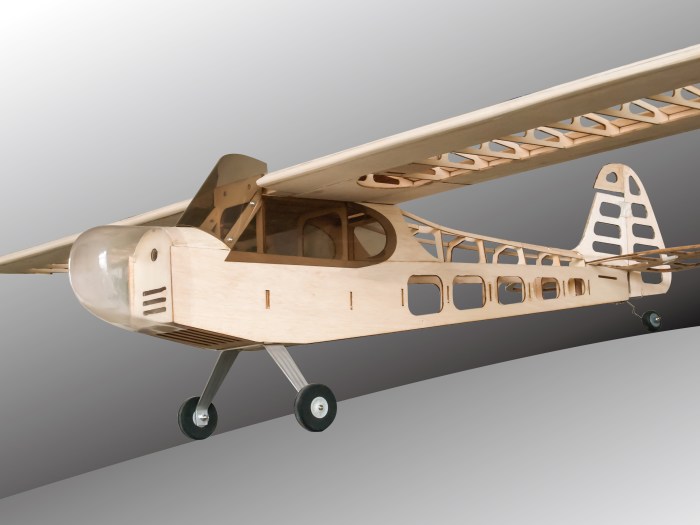
When it comes to selecting a model airplane kit, there are several factors to consider to ensure a successful and enjoyable building experience. Beginners should pay close attention to the complexity, skill level, scale, and type of aircraft offered in the kit.
Factors to Consider
- Complexity: Beginner-friendly kits typically have simpler designs and fewer parts, making them easier to assemble. More advanced kits may include intricate details and require more skill.
- Skill Level: It is essential to match the kit’s complexity with your skill level to avoid frustration and ensure a positive building experience.
- Scale: The scale of the model airplane kit determines its size in relation to the actual aircraft. Consider the space you have available for displaying the finished model when choosing the scale.
- Type of Aircraft: Different kits feature various types of aircraft, such as military planes, commercial jets, or vintage biplanes. Choose a kit that aligns with your interests and preferences.
Building Techniques and Tips
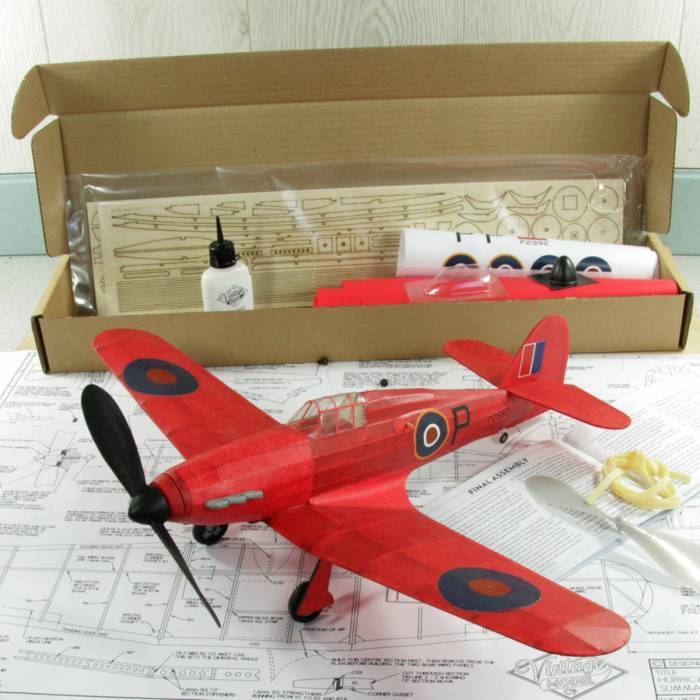
When it comes to building model airplanes, having the right techniques and tips can make all the difference in creating a successful project. Let’s explore some key aspects to consider during the building process.
Assembling a Model Airplane Kit
- Read the instructions carefully before starting to ensure you understand the assembly process.
- Organize all the parts and tools needed for each step to avoid confusion and misplacement.
- Use glue sparingly and allow sufficient drying time for each joint to ensure a secure bond.
- Take your time and work methodically to prevent any mistakes that may be difficult to correct later on.
Common Challenges Faced by Beginners
- Difficulty in aligning parts correctly, leading to misalignment issues in the final model.
- Overuse or misuse of glue, resulting in messy joints or excess glue visible on the model.
- Painting mistakes such as drips, smudges, or uneven coverage detracting from the overall finish of the model.
- Handling delicate parts without causing damage during the assembly process.
Painting and Finishing Touches
- Choose high-quality model paints suitable for the material of your model airplane for a professional finish.
- Practice painting techniques on scrap materials before applying them to the model to ensure precision and consistency.
- Consider using masking tape or stencils to create sharp lines and intricate designs on your model.
- Apply a clear coat or varnish to protect the paint and add a glossy finish to the model.
Resources and Communities for Help
- Join online forums or social media groups dedicated to model airplane building to seek advice, tips, and guidance from experienced builders.
- Visit local hobby shops or attend model building workshops to connect with enthusiasts who can provide hands-on assistance.
- Utilize instructional videos and tutorials available online to learn new techniques and troubleshoot common issues during the building process.
- Consider attending model airplane exhibitions or events to network with fellow builders and gain inspiration for your projects.
End of Discussion
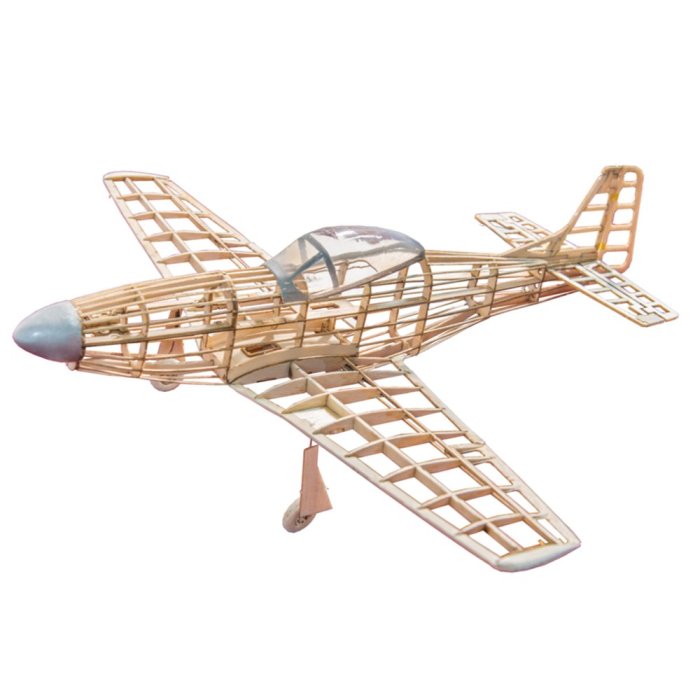
In conclusion, building model airplanes can be a rewarding and fulfilling hobby for beginners. With the right kit and techniques, you can create stunning replicas of aircraft while enjoying a fun and engaging process. Start your model airplane building adventure today and soar to new heights of creativity and craftsmanship.